

Vermeer’s afterlives in art, film, and poetry
In Vermeer’s Afterlives, historian Ruth Bernard Yeazell traces how Johannes Vermeer has continued to shape painting, cinema, poetry, and literature. The book also shows how an artist once nearly forgotten became a lasting reference for light, interiors, and solitary figures.
Johannes Vermeer died in 1675, at 43, in debt and largely forgotten. His reputation only began to take hold in the mid-19th century, when Parisian critic Théophile Thoré brought his work back into view and championed him as a major rediscovery.
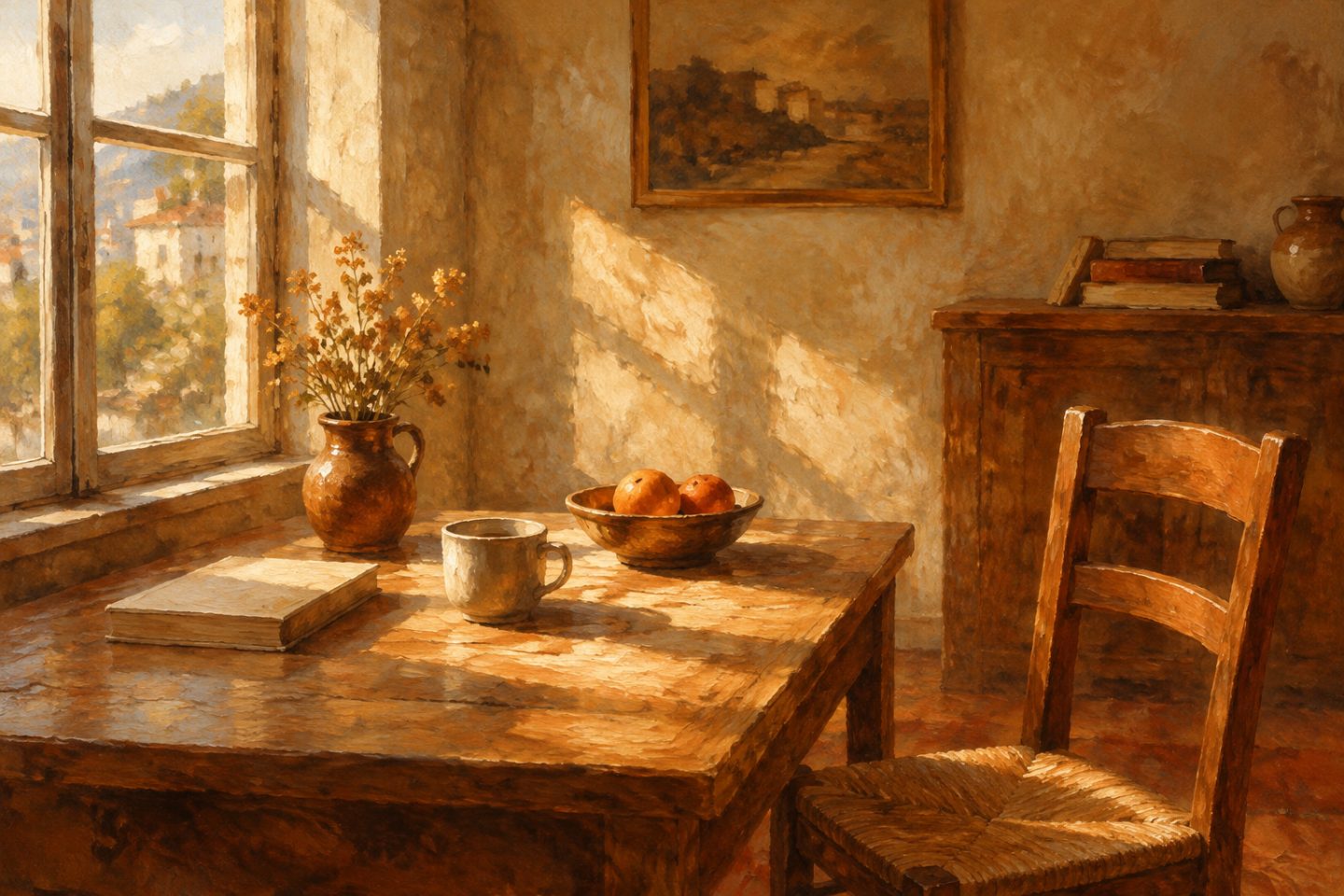
What still draws people to Vermeer is the small number of paintings attributed to him and the uncertainty surrounding his life. With only about 35 works known today, he leaves behind quiet, enclosed scenes in which window light shapes space and binds together gestures, objects, and silence.
Yeazell focuses on that way of making images. Her book follows Vermeer’s echoes in artists as different as Vilhelm Hammershøi, in 20th-century filmmakers, and in contemporary poets, showing how his painting became a starting point for other ways of looking at everyday life.
For artists and readers interested in painting and drawing, the appeal is clear: Vermeer offers more than subjects, he offers a discipline of looking. His interiors, often centered on a single woman absorbed in a task, show how composition, light, and suspension can open an image without reducing it to one fixed story.
Source : Hyperallergic