

Anne Vallayer-Coster revisited through looking and making
Kelsey Brosnan’s new book offers a feminist re-evaluation of Anne Vallayer-Coster, the 18th-century French painter. It places her career in the Académie Royale, her patrons and her range of subjects well beyond flowers.
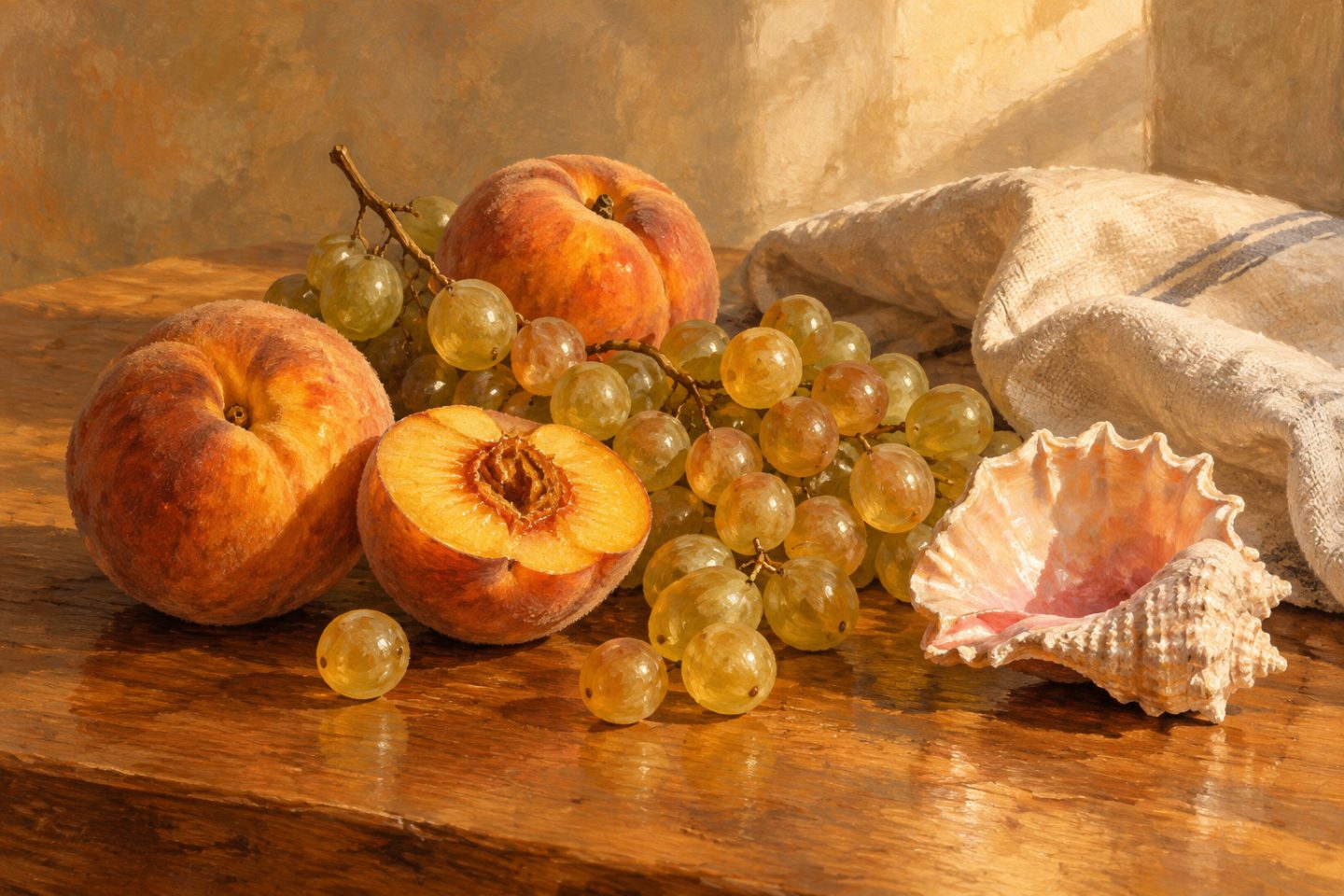
Anne Vallayer-Coster (1744-1818) is often remembered for her flower paintings, admired by Marie Antoinette and later Joséphine. Brosnan’s book, published in Lund Humphries’s Illuminating Women Artists series, broadens that view by restoring the artist’s place in Parisian art history: she was one of only 16 women admitted to the Académie Royale de Peinture et de Sculpture before the Revolution.
The first English-language monograph on Vallayer-Coster in more than 20 years, the study follows her through a highly competitive art market, from the Salons where she showed regularly between 1771 and 1817 to the courtly and official networks that sustained her career. It also shows how she worked within the shifting expectations placed on women artists in an increasingly unstable political climate.
What the paintings reveal
For painters, drawers and anyone interested in craft, the book’s strength lies in its attention to process. Brosnan reads still lifes, allegories, hunting scenes, shells and food as places where Vallayer-Coster tests surface, texture and light, from mossy peaches and translucent grapes to furry hares and slick conchs.
That focus also sharpens the question of how a woman artist claims authority in a visual culture shaped by masculine codes. By linking facture to taste, natural history and culinary practice, Brosnan presents Vallayer-Coster as an artist whose work does more than depict objects: it shows painting as a skilled negotiation between observation, material knowledge and social expectation.
Source : The Art Newspaper