

Kader Attia at the Louvre: a work on colonial memory
At the Louvre, Kader Attia presents a work recalling the mass crimes committed under Marshal Bugeaud, governor-general of Algeria from 1841 to 1847. Installed in the museum’s chapel in Paris, the exhibition closes his artistic residency at the institution, alongside Elizabeth Peyton’s.
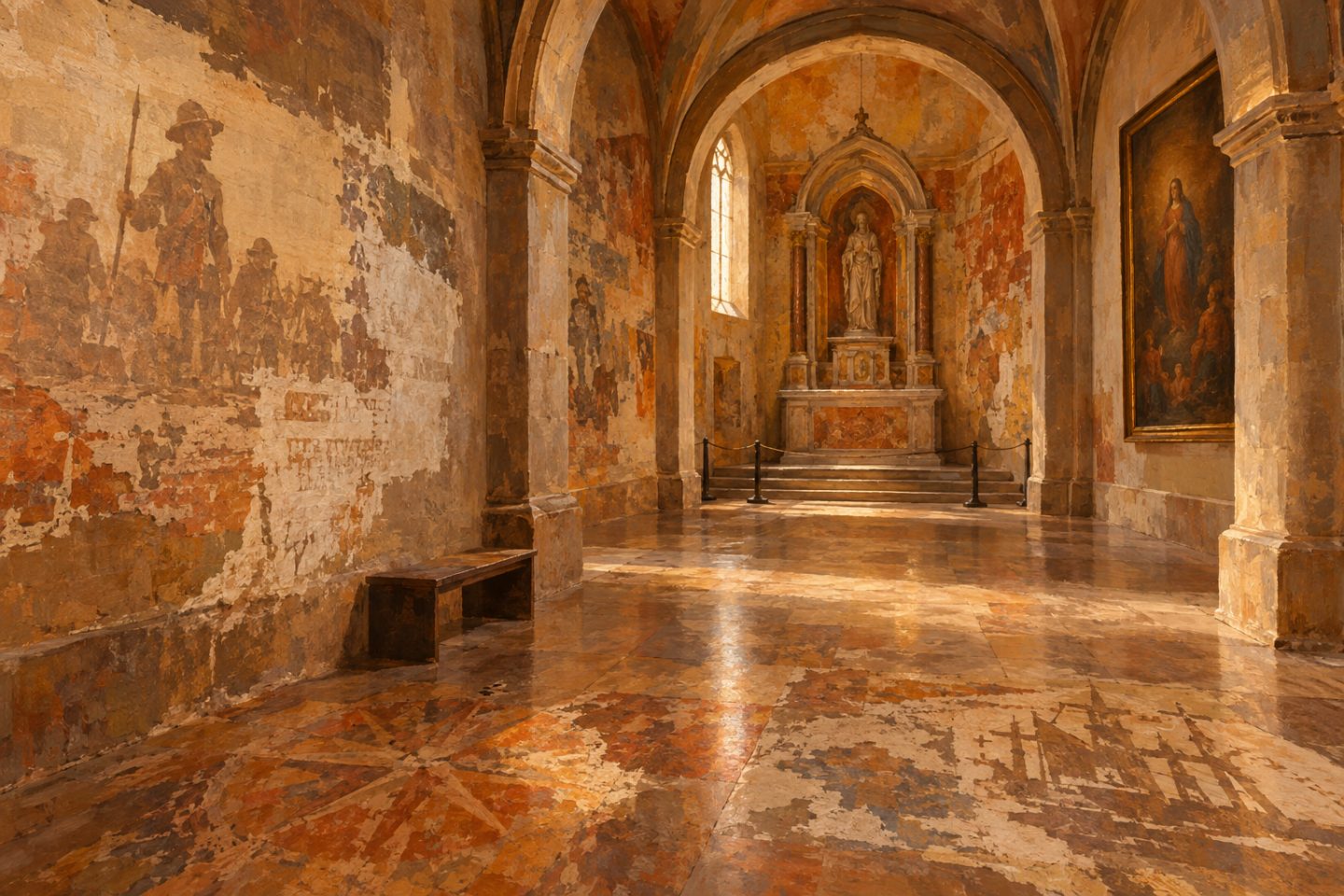
The available details are brief, but they make the stakes clear: in a place as historically loaded as the Louvre, Attia brings a violent colonial memory into the exhibition space. The chapel setting gives the project an added charge, even without a full description of the work itself, because it suggests a deliberate confrontation between heritage and political history.
For artists, that matters because it shows how a work can operate through tension as much as through image. Here, the point is not only the historical subject; it is also the way the piece directs attention, makes difficult facts visible, and uses the museum as a site where what is remembered, framed, or overlooked can be questioned.
The article also notes the contrast with Elizabeth Peyton’s work, described as conventional. Set side by side in the same institution, the two approaches offer a useful way to think about how artists inhabit museum space: one within more expected forms, the other pushing the museum toward a sharper encounter with history.
Source : Le Monde – Arts