

At IFPDA, works on paper move out of the museum margins
In October, IFPDA’s Prints & Drawings Month turns a simple question into a curatorial debate: where should works on paper be shown? On October 19, Drawn Together: Collections in Conversation brings together curators from LACMA, Princeton University Art Museum, and the Chazen Museum of Art to discuss that shift.
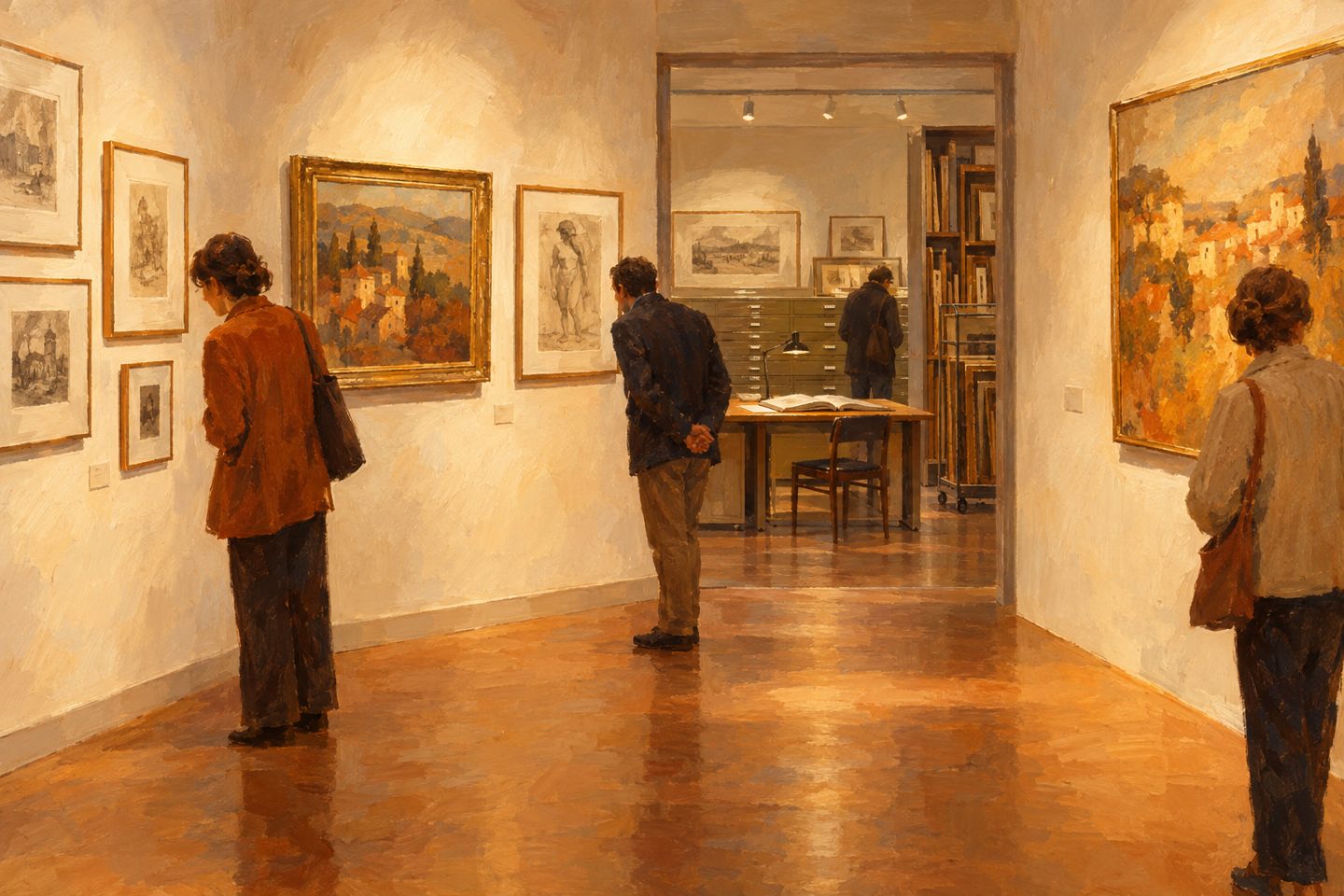
For much of museum history, prints and drawings have been treated as a separate category: light-sensitive, shown sparingly, and tucked into study rooms and print cabinets. The article notes that this long-standing separation, built into museum architecture for more than a century, is now being questioned by institutions that have recently renovated galleries or rethought their collection displays.
The issue is not only about museum layout; it also changes how artists’ work is read. When prints and drawings are placed alongside painting and sculpture, they are no longer treated as fragile side material but as works that speak to period, place, and theme, and that reveal the discipline of the hand, the test of an idea, the variation of a line, and the return to a motif.
IFPDA’s October program extends that conversation through sessions that keep pushing against older hierarchies. A Metropolitan Museum talk on Marie Bracquemond looks at drawings long overshadowed by her husband Félix’s more prolific etching career; a study day on Southern Netherlandish workshop practice highlights Volcxken Diericx, a woman running a major print-publishing operation; and a Rembrandt pairing in New York and Naples presents printmaking as integral to, not separate from, painting.
For artists and for anyone who cares about drawing and painting, the point is clear: works on paper are not secondary documents, but places where visual thinking becomes visible. Bringing them into the main galleries changes what viewers notice in the rest of the collection too.
Source : Hyperallergic